

5 Best HD Video Editors at a Glance
- MiniTool MovieMaker 8.9
- OpenShot 4.0.0
- Shotcut 26.8.1
- Vegas Pro 2026
- Adobe Premiere 26.3.2
The following table offers a concise overview of these HD video editing applications.
| Tool | Platform | Price | HD Support | Proxy Editing | Learning Curve | Best For |
| MiniTool MovieMaker | Windows | Free | Yes (4K) | No | Very easy | Beginners / 1080p users |
| OpenShot | Cross-platform | Free | Yes (4K/5K) | Yes | Moderate to advanced | Open-source enthusiasts |
| Shotcut | Cross-platform | Free | Yes (4K) | Yes | Moderate to advanced | Open-source enthusiasts |
| Vegas Pro | Windows | Paid | Yes (8K) | Yes | Steep | Windows professionals |
| Adobe Premiere | Win/Mac | Paid | Yes (8K) | Yes | Steep | Professional users |
What Is HD Video?
HD video refers to high-definition videos, and this type of video has higher resolution and quality than standard-definition (SD). SD video includes video with a resolution of 480p or below.
There’s no standardized meaning for high-definition. Generally speaking, HD video includes video of resolution at or above 720p. Here are common high-definition video modes.
- 720p: 720p, also called HD Ready, is the standard high-definition, and the display resolution is 1,280 x 720 pixels.
- 1080i: 1080i, also known as Full HD, has a resolution of 1,920 x 1,080 pixels. Commonly used in HD videos and 1080i television.
- 1080p: 1080p, also known as Full HD, is a ubiquitous display resolution of 1,920 x 1,080 pixels, and it’s the most widely used resolution.
- 1440p: 1440p (also known as Quad HD) is a display resolution of 2,560 x 1,440 pixels, double the resolution of 720p. It’s widely used in smartphone displays and for computer and console gaming.
Those are common HD video display resolutions. Sometimes, we also hear of UHD video. What does UHD mean? What’re the differences between them?
HD vs UHD
UHD refers to Ultra High Definition and has a higher resolution than HD. We know that the higher the resolution of the video, the more pixels, the better the quality, and the larger the file.
Therefore, Ultra HD video is visually clearer and larger in size than HD video. 2160p (4K UHD, 3,840 x 2,160 pixels) and 4320p (8K UHD, 7,680 x 4,320 pixels) are included in the family of UHD video display resolutions.
4k video resolution in 3,840 x 2,160 pixels is used for television and monitors. The other standard resolution of 4K video is 4,096 x 2,160 pixels, used in the film and video production industry.
![How to Convert Slow Motion Video to Normal Speed [Ultimate Guide]](https://images.minitool.com/moviemaker.minitool.com/images/uploads/2026/04/convert-slow-motion-video-to-normal-speed-thumbnail.jpg)
1. MiniTool MovieMaker
MiniTool MovieMaker is an HD video editor without watermarks designed for Windows beginners. Its simple layout and drag-and-drop interface make the editing process accessible to anyone, especially those without editing experience.
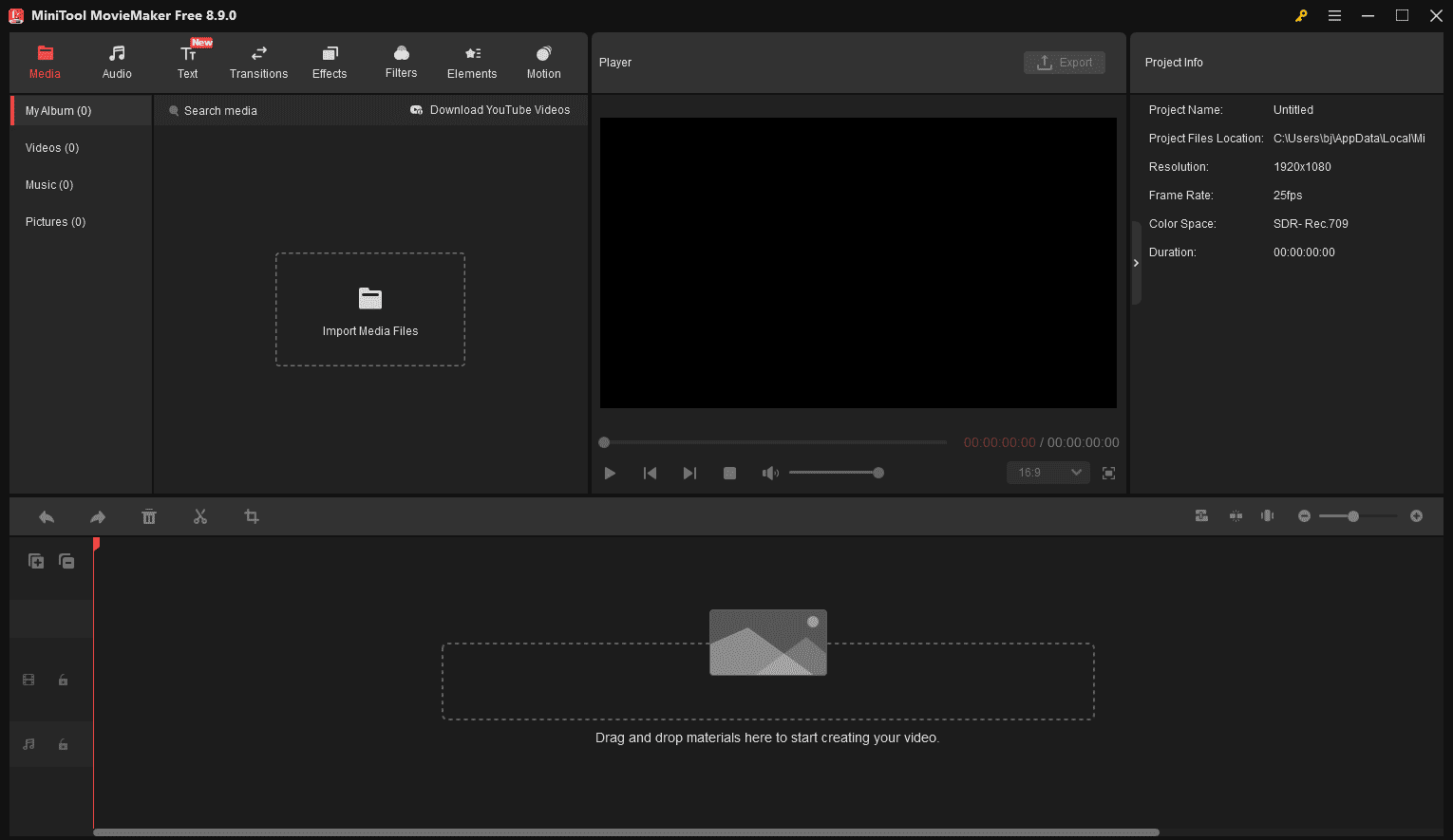
The software features a multi-track timeline that allows you to layer videos, images, audio, text, effects, filters, and other resources. Hence, you can edit them independently and flexibly for creative projects. Coupled with keyframes, you can control the video/image/element’s position, scale, and rotation for smooth animation effects.
With the editing tool, you can also trim and split videos, crop clips to adjust the composition, reverse videos, change the playback speed, and choose an aspect ratio to make the video fit platforms like YouTube and TikTok.
When you’re ready to export, you can customize resolution, quality, bitrate, and frame rate. Best of all, it lets you save videos in 1080P or 4K for free.
 MiniTool MovieMaker
-
 Split and trim videos to remove redundance.
 - Change video aspect ratio to match screen sizes.
- Add bubble texts, bgm, transitions, and more effects.
- Create PiP or split-screen videos by multitrack editing.
But for anyone who wants a simple, clear way to join some video clips with transitions, place overlaid objects and text, add music, and bling it all up with some effects, MiniTool MovieMaker may be just the ticket.https://www.pcmag.com/reviews/minitool-moviemaker
2. OpenShot
OpenShot is a free 1080p video editor with no watermark for Windows, Mac, and Linux computers. It can handle common video compression formats supported by FFmpeg.
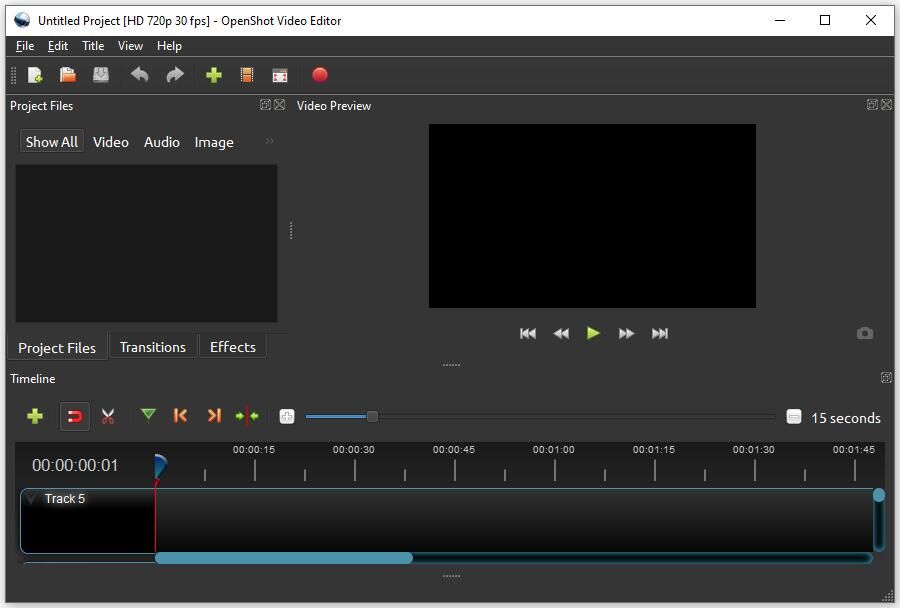
When exporting videos, it lets you render MP4, AVI, MOV, MKV, and more in HD 1080p, HD 1080i, 4K UHD, 2.5K QHD, and more. You can choose a video profile from a long list. Also, it supports rendering DVD, Blu-Ray, or rendering for devices like Apple TV and Chromebook, and optimizing videos for uploading to websites like Twitter, Vimeo, Instagram, YouTube, etc.
There’s not that OpenShot is a powerful HD video editor that’s equipped with a wide range of features to edit 1080p, 2.5K, 4K, and 5K videos, such as keyframe animations, unlimited tracks, video transitions, 3D animated titles, digital video effects, and more.
OpenShot is a relatively barebones video editor, even compared to free alternatives, but it’s simple to use and has enough features to entice amateur editors working on personal projects.https://www.creativebloq.com/reviews/openshot
3. Shotcut
Shotcut is also one of the best HD video editing software with rich functionality and it’s compatible with Windows, macOS, and Linux. It can handle video, audio, and image formats supported by FFmpeg and has an intuitive interface.
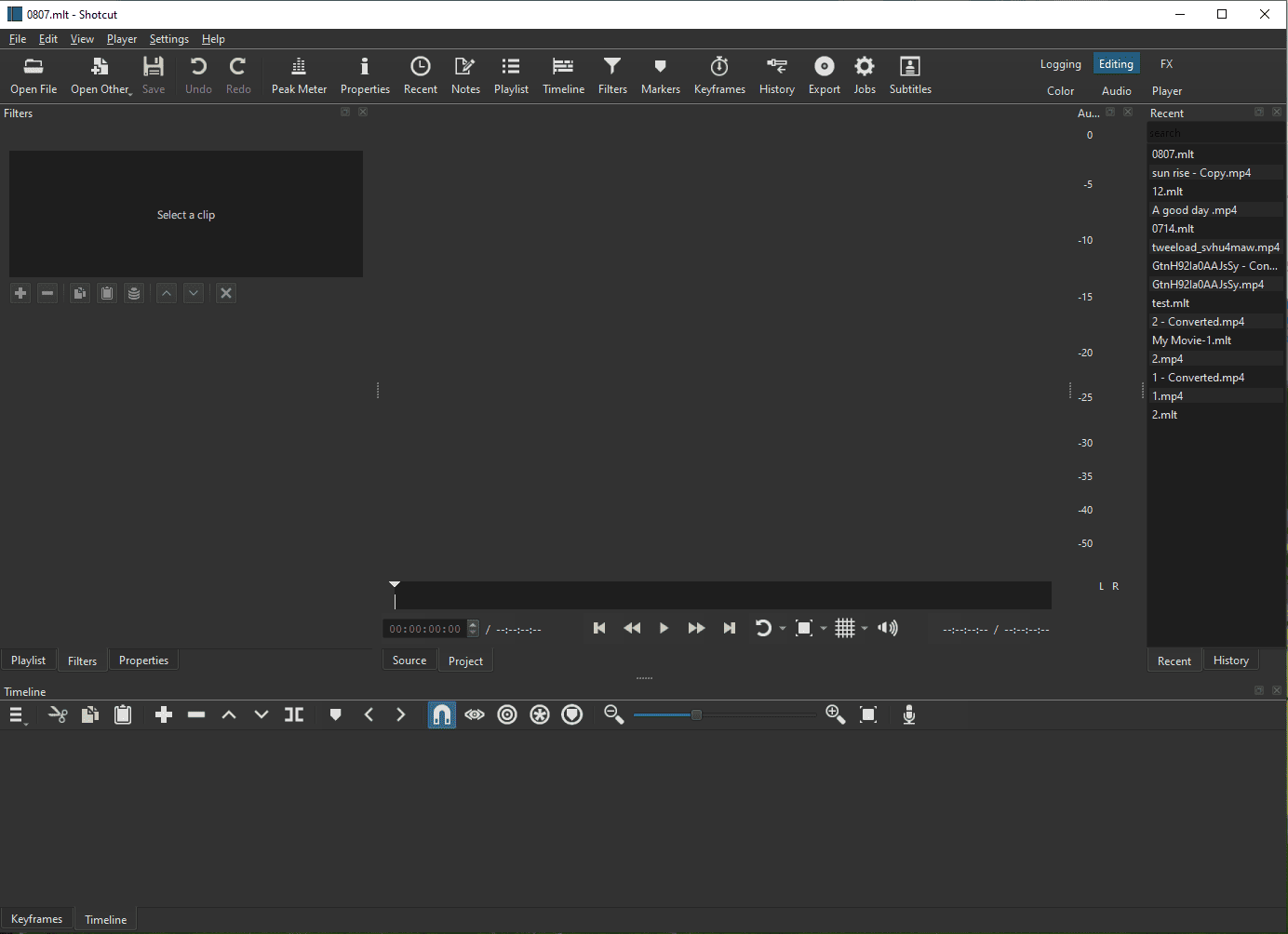
With the multi-format timeline, Shotcut lets you mix videos in different resolutions and frame rates. This program also offers a wide range of video effects, filters, and 360° video filters.
Shotcut also supports webcam capture and audio capture and has support for 4K resolutions.
Additionally, Shotcut provides many audio editing features like audio scopes, volume control, and audio filters. It also lets you fade in and out audio and fade video and supports pitch compensation for video speed adjustments.
User friendliness doesn’t exactly spring to mind when thinking of Shotcut, but everything you need to cut a video is there, and it shouldn’t take you long to get to grips with the interface.https://www.techradar.com/reviews/shotcut-2203
4. Vegas Pro
Vegas Pro is a video editing software package for non-linear editing and provides you with all the tools you need for professional video editing, like advanced HDR color correction, sound design, and live streaming.
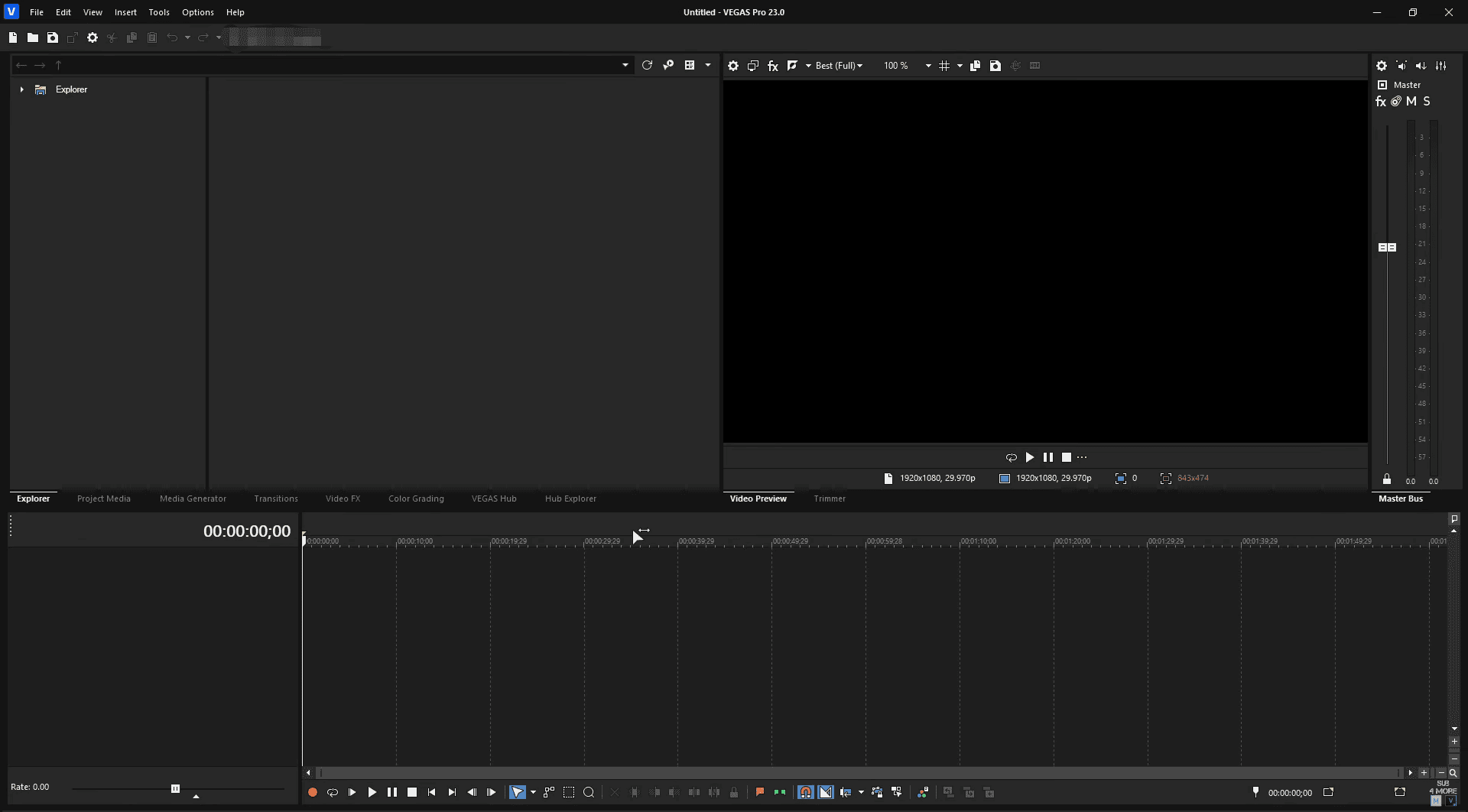
Of course, Vegas Pro is a great HD video editor for professionals to create high-quality videos. It supports unlimited video & audio tracks, storyboard & timeline synchronization, multi-cam editing, keyframing & automation control, motion tracking, and hundreds of filters, effects, transitions, and titles.
This HD video editing software can work with many professional formats like Apple ProRes, RED RAW, Panasonic AVCHD, Blackmagic RAW, and others.
Vegas Pro lets you export videos in different formats and each one has multiple options in different resolutions and frame rates.
The program is extremely configurable. In fact, there are no fewer than 14 tabs on the Preferences dialog box.https://www.pcmag.com/reviews/vegas-pro
How to save a VEG Pro project in MP4? Please check this post: VEG to MP4: What Is a VEG File & How to Convert It to MP4.
5. Adobe Premiere
Adobe Premiere is a professional HD video editing software application for both Windows and Mac computers. It supports many video and audio formats as well as some media formats from the latest DSLR camera.
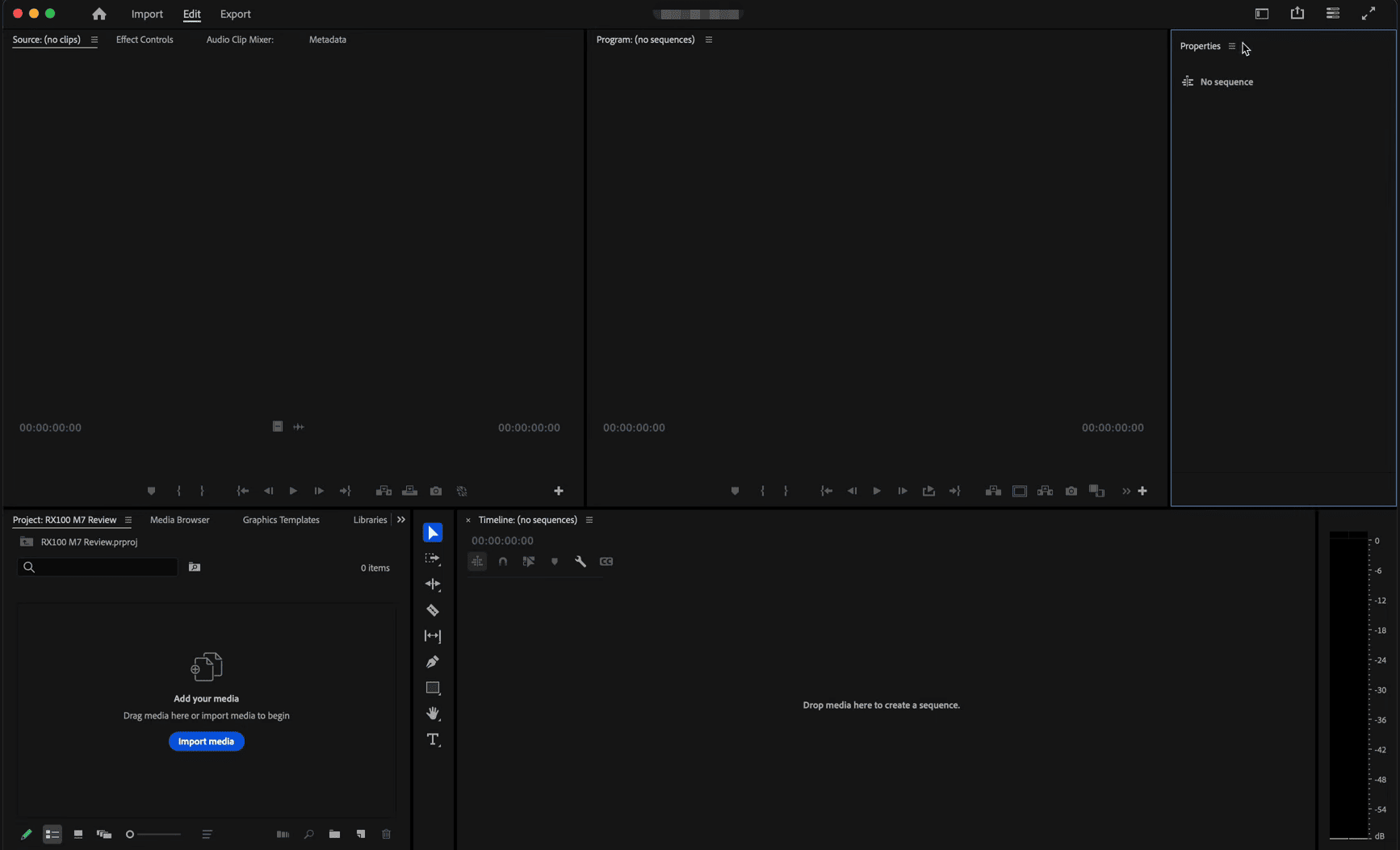
As the industry-leading video editor, Premiere provides almost all basic and advanced editing tools, features, and effects, including powerful audio editing and color correction.
When exporting videos from Premiere, the recommended format is MP4 and the best resolution is 1920 x 1080 for HD or 3840 x 2160 for 4K. Also, you can directly upload the video to social media platforms from Premiere Pro.
The software supports resolutions of up to 8K. Of course, you can import video from smartphones and DSLRs. For high-frame-rate video, the program lets you use proxy media for faster editing.https://www.pcmag.com/reviews/adobe-premiere-pro
Conclusion
With these HD video editors, you can easily edit and enhance high-definition videos and export them in 1080p or even up to 4K. If you have any questions about MiniTool MovieMake, contact us via [email protected].
People Also Ask
About The Author

Position: Columnist
Cora is a tech writer specializing in digital media workflows, with over six years of hands-on experience in video post-production, media transcoding, and screen capture. Her writing is always clear and practical. Cora also produces in-depth software reviews for users across skill levels to help them find the right tool and enjoy video editing.
User Comments :